A Morning at Flood Brook: Releasing Trout and Inspiring Stewards
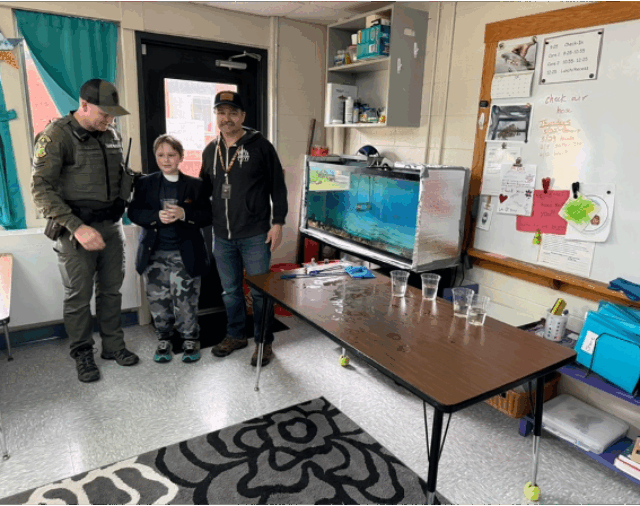
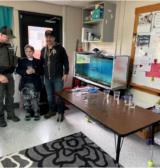
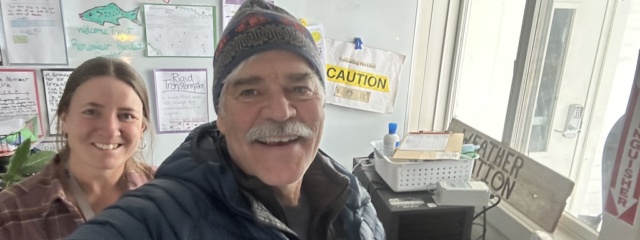
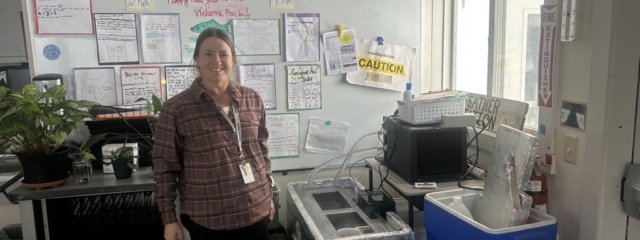
Yesterday, I had the pleasure of joining Devon Broglie, my neighbor in Peru, and his 4th-grade son at Flood Brook Elementary in Londonderry, Vermont. We were there to support Jennifer Cox, the dedicated teacher who leads the school’s Trout in the Classroom program.
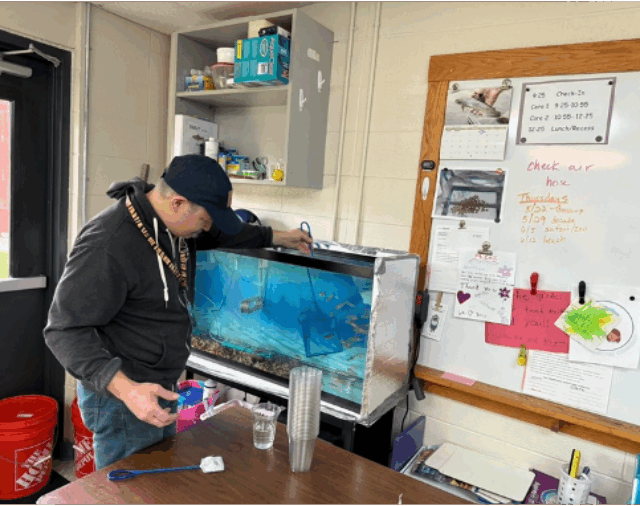
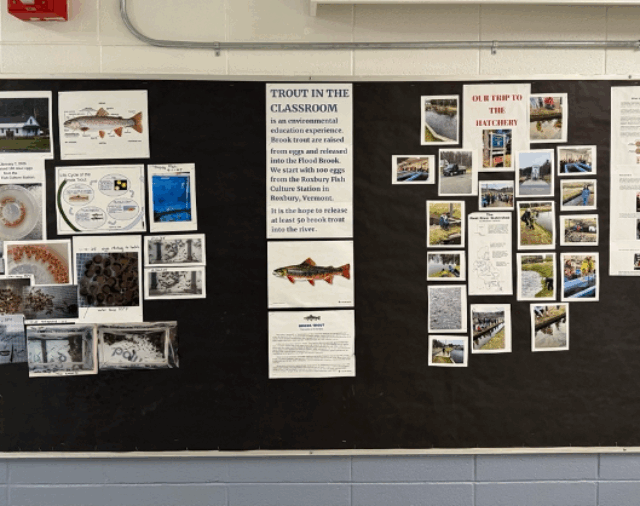
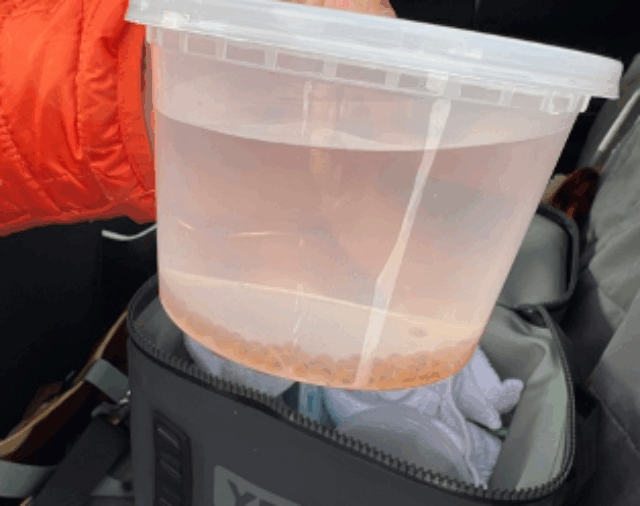
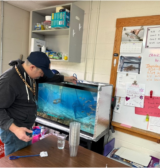
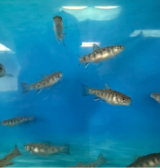
Back on January 7th, Devon and I had delivered about 100 brook trout eggs to Jennifer’s classroom. Since then, her students have cared for them by monitoring water quality, observing the hatchlings grow, and learning firsthand what it means to be stewards of coldwater ecosystems.
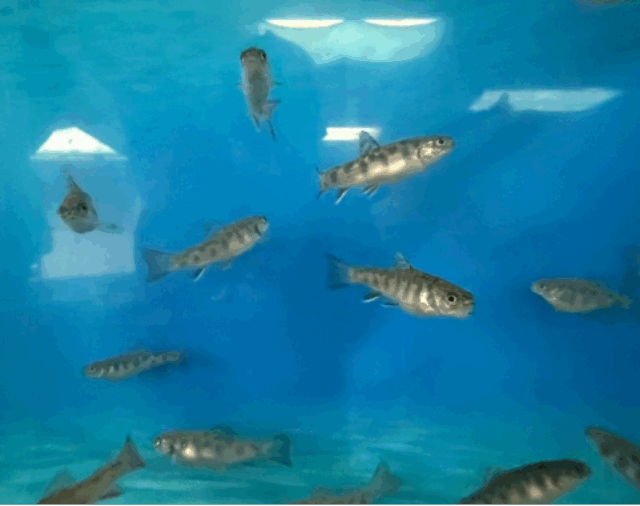
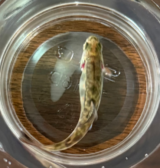
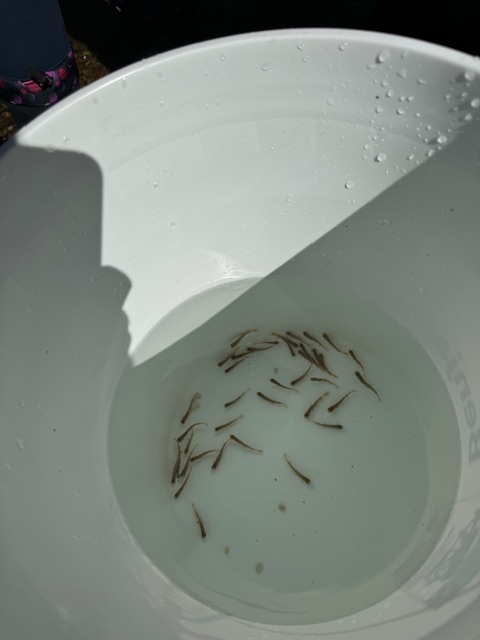
This week marked a milestone: the first release of 33 of the 50 or so surviving trout the students raised. The rest will be released in the coming days.
The group of students participating in the release included mostly 2nd graders, along with a few older students from 6th and 8th grade, and one student receiving special education services. It was a diverse and enthusiastic mix, with each child deeply engaged in this hands-on conservation moment.
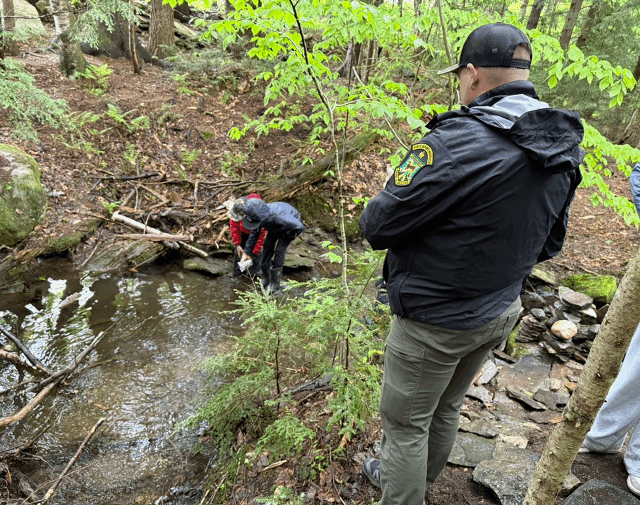
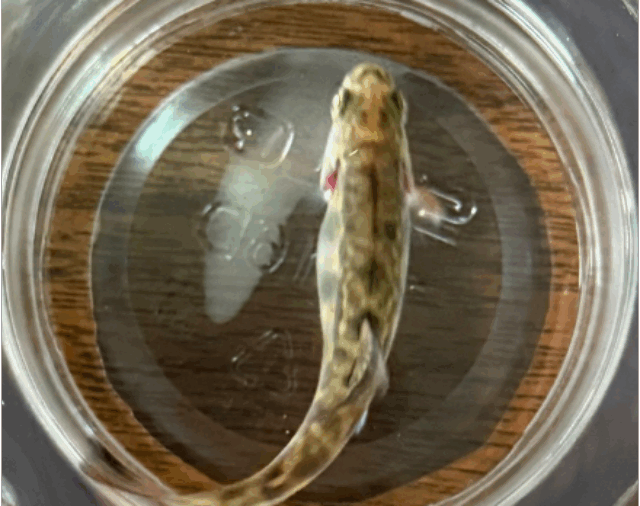
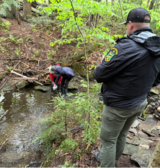
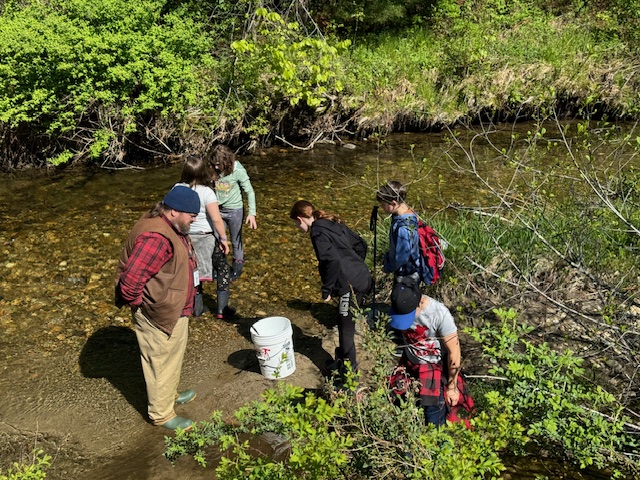
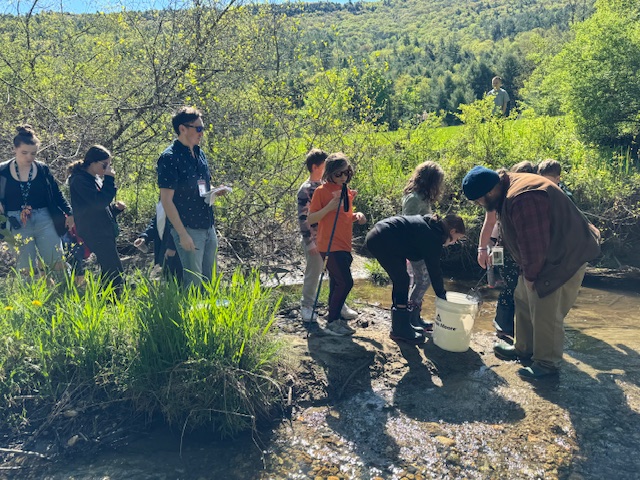
Our local game warden, Kyle Isherwood, joined us to speak with the students about Vermont’s fish species and wildlife, share conservation tips, and assist with the release. Each student, along with Kyle, Devon, and I, received one young brook trout in a clear plastic cup. We followed a trail through the woods behind the school to Flood Brook.
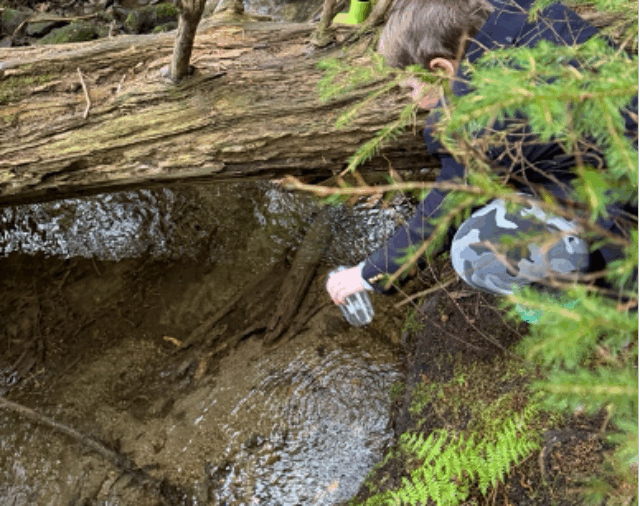
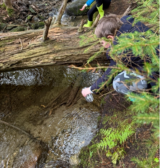
There, along with some guidance from Kyle, we each found a quiet spot along the bank and gently let our fish slip into the stream, watching them dart into the current and begin their journey. It was a small, powerful moment that tied science, nature, and stewardship together.
Programs like this do more than teach. They create lifelong connections to our waterways. We’re proud to support Jennifer, her students, and moments like this, where conservation begins—one fish, one cup, and one child at a time.
John Livingston
Dear TIC Teachers,
It’s almost time for release day! This newsletter has information on catching your fish, getting trout to your release site, managing expectations and cleaning up.
Catching Your Fish
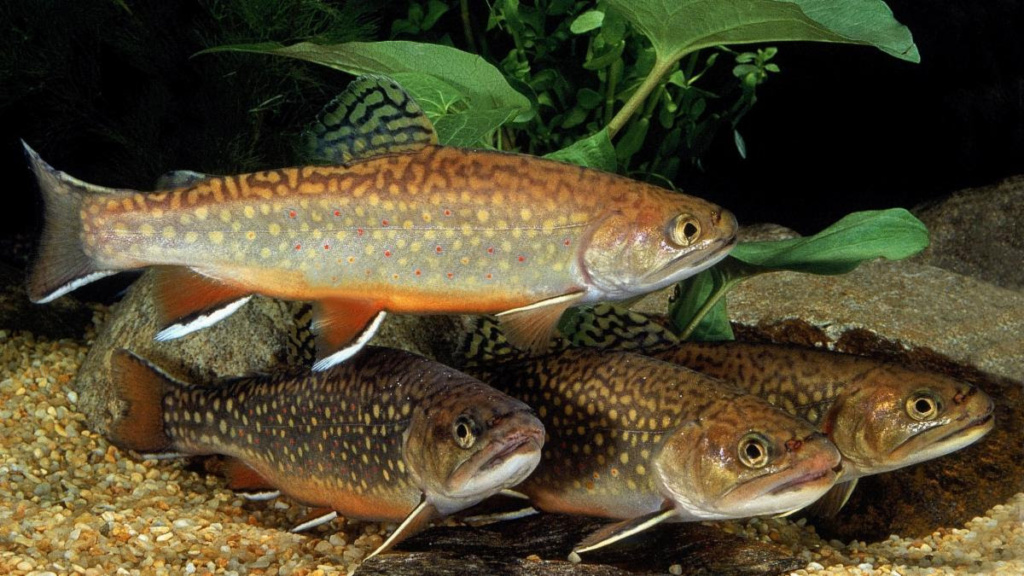
Catching your trout to put them into the transport container can be surprisingly challenging. The first time you dip your net in the tank, you’ll probably catch quite a few, but with each successive attempt the fish will become more skittish and better at evading your net.
Here’s some advice for how to make the tank-to-cooler transfer:
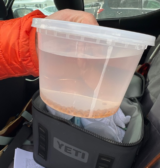
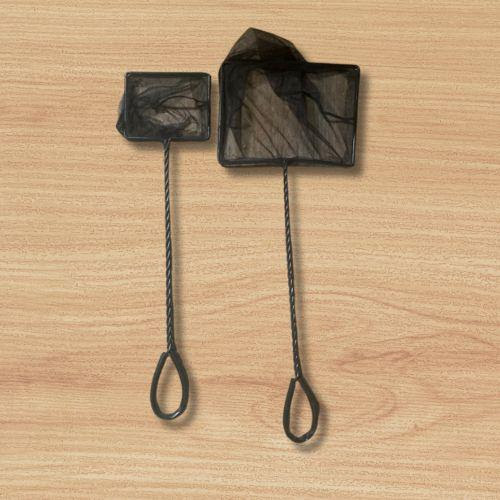
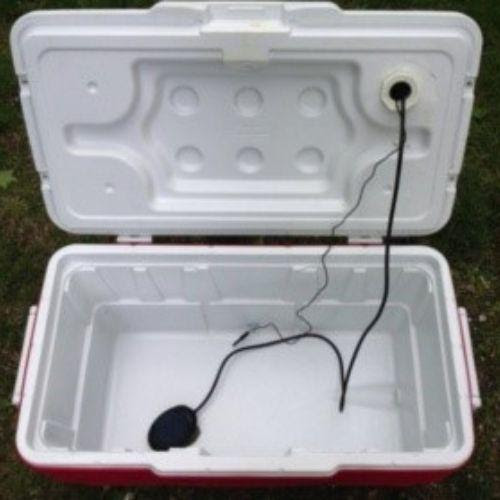
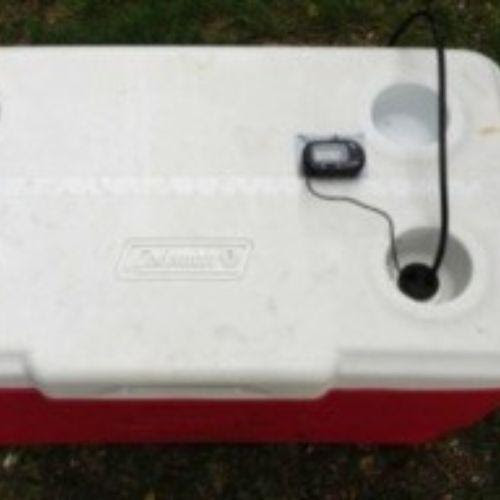
- You will want two nets, one large and one small (photo below), and three containers – the original tank, your transfer cooler or bucket, and a third container to count the fish from each netting before moving them to the cooler/bucket.
- Ideally, at least four people will collaborate on this project: two “wranglers” to work together to net the fish and put them into the third container and two “counters” to count the new additions and transfer them to the cooler or bucket you’ll be using.
- Turn off the chiller, filter, and aerator and remove them from the tank. Also remove any rocks or tank “furniture” you may have added.
- Use a ruler or other straight-edge to push gravel down to one end of the tank.
- Remove half of the water from the tank.
- Add some of that tank water to your transport container. If you’re using a cooler, fill about 1/3; if using a bucket, fill about 1/2.
- Start out with several cups of water in your third container.
- The fish wranglers should net several fish (any number up to about seven–more than that will be hard to count), put them into the third container, and hand that to the counting team. (Having two “third containers” would expedite the process.)
- The counters should count the new additions, record that number on a whiteboard or clipboard, pour the new fish into the cooler, put some cooler water back into the third container, and hand that container to the wranglers.
- Keep netting and counting.
- Netting the last fish can be challenging. The wranglers will have to work together, sometimes “driving” the last holdouts toward the big net.
- Even when you think you’ve got them all, check again, and again. There’s often at least one small fry hunkering down in the gravel. Stirring the gravel up a bit may allow you to spot them. If there’s any chance of water in the cooler sloshing around on the trip to the river, strap the cooler closed or fasten it with rope or duct tape.
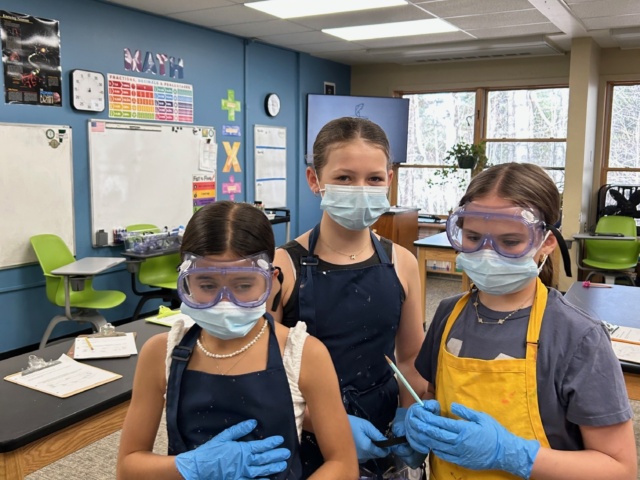
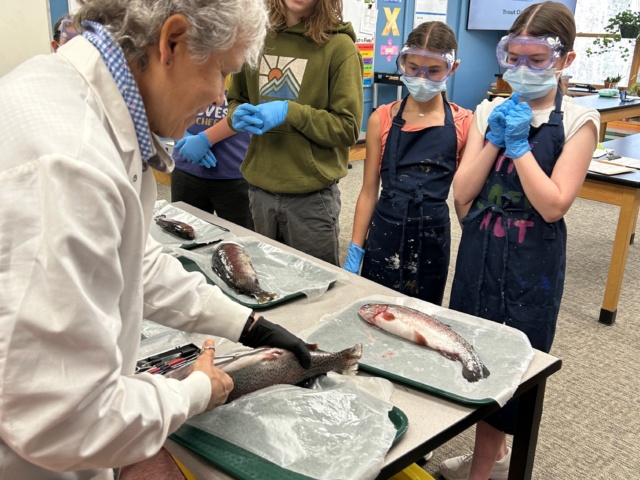
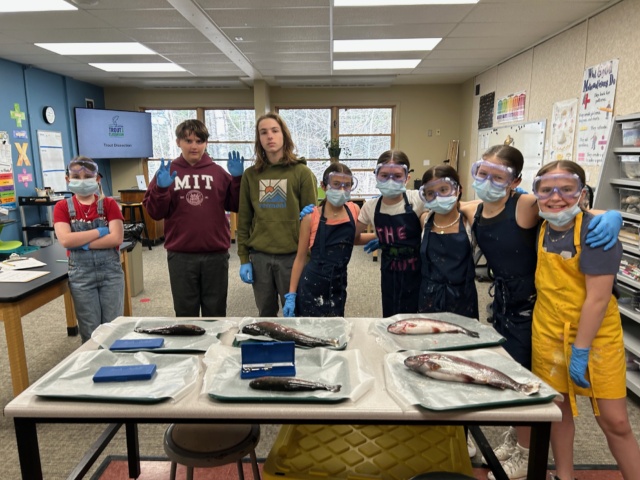
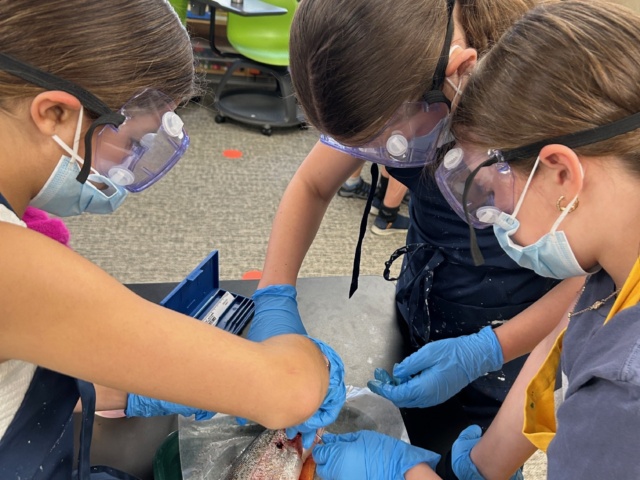
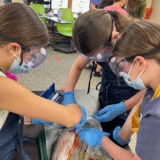
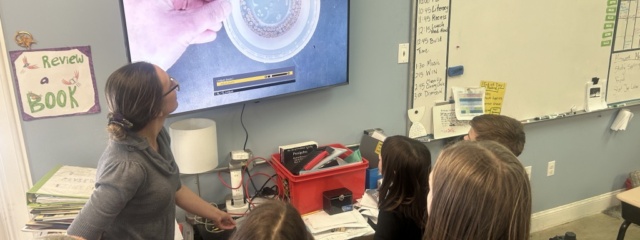
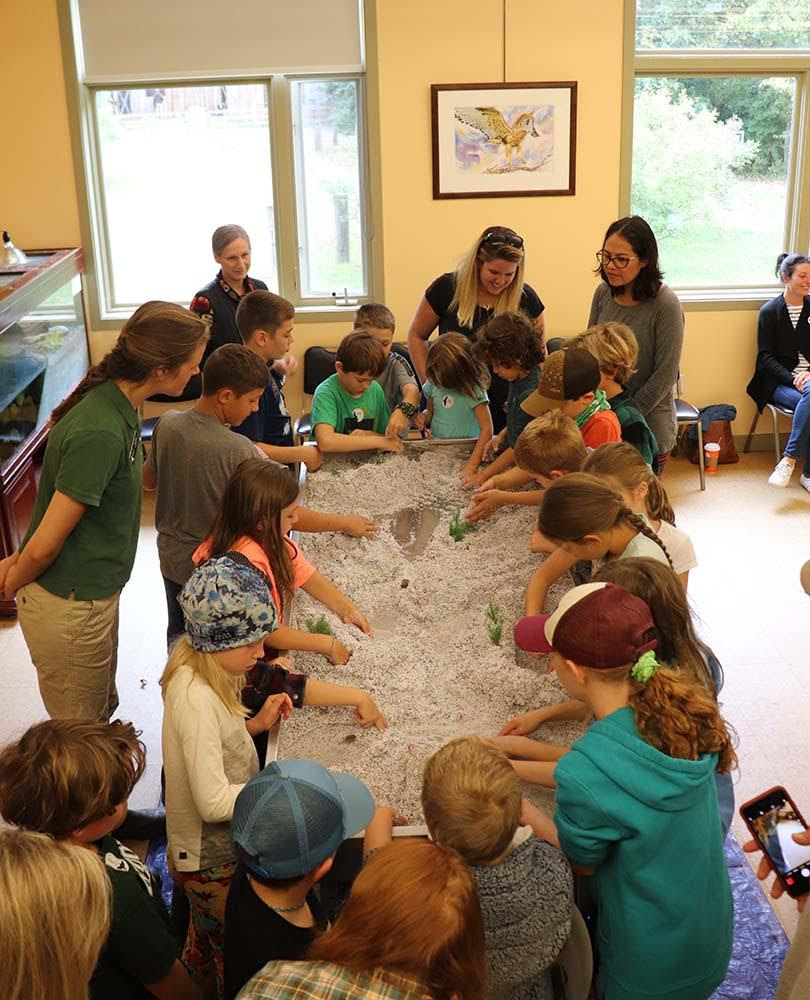
Here are some pictures of the students during the dissection. The highlights included cutting open the stomach to see what the trout ate, dissecting the gills to show how they are affected when a fish is out of water and removing an eyeball to find the lens.
Bonnie
2025 MadDog TU Chapter Egg Delivery to School




VINS UPDATE DECEMBER 20, 2024
|
|

|
|
VINS UPDATE November 19, 2024
|
|
|
|
|
|


|
|
|

|
|
|
|
|
VINS UPDATE September 25, 2024
Hello TiC Participants!
 I will be taking over the role of State Coordinator from Eleanor this year and will be the VINS point of contact for Trout in the Classroom. While I typically work with raptors out in the field, I have some background in water quality monitoring, fish surveys, and macroinvertebrate sampling in streams and rivers throughout the state.
I am working on getting up to speed on trout in the classroom protocols and hope to eventually set up a tank here at VINS to serve as a model for prospective schools. It will also help me learn the ins and outs of this great program! Please bear with me as I work on catching up on everything.
Jim Armbruster, of the Vermont Institute of Natural Science, is State Coordinator for Trout in the Classroom in Vermont (TIC).
Jim can be reached by e-mail at jarmbruster@vinsweb.org.
Save the Date
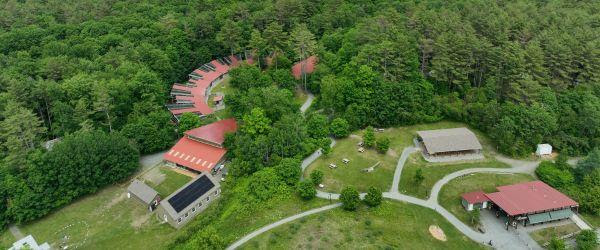
We have scheduled the annual workshop for Saturday, November 2nd from 9am-3pm at the VINS Nature Center campus here in Quechee. We will send out the schedule once all of our speakers have confirmed in a later email. We hope to cover topics that are relevant for new and experienced teachers.
Please RSVP here or to jarmbruster@vinsweb.org.
If you haven’t already confirmed your participation in TIC this year, please fill out this form. It’s also a good idea to reach out to your Trout Unlimited Chapter Coordinator because they are your main point of contact for questions and concerns throughout the year
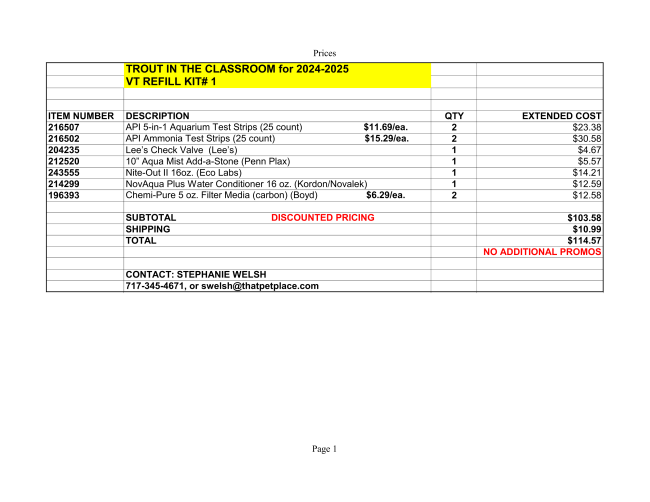
Updated Supply List
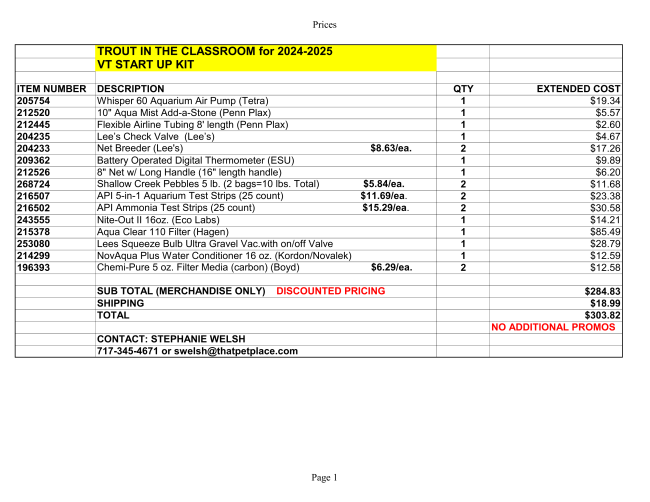
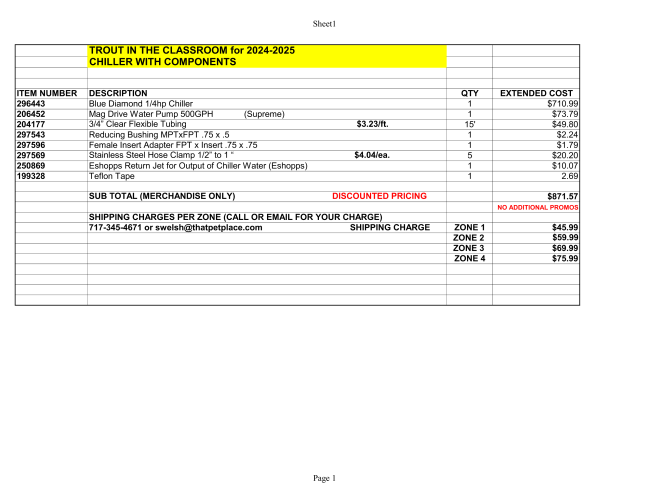
Attached you will find the updated supply list for 2024. It includes everything needed for a new tank set up, or a tank resupply. Please reach out to your TU Chapter Coordinators for help setting up tanks.
|
|
|
May 21, 2024 From VINS
|
|
|
|
|
|
|
|
|

|
|
|
|
May 2024
Dear TU Conneticut River Valley chapter friends,

March 2024
From Danielle Fagan, Proctor Elementary School
-
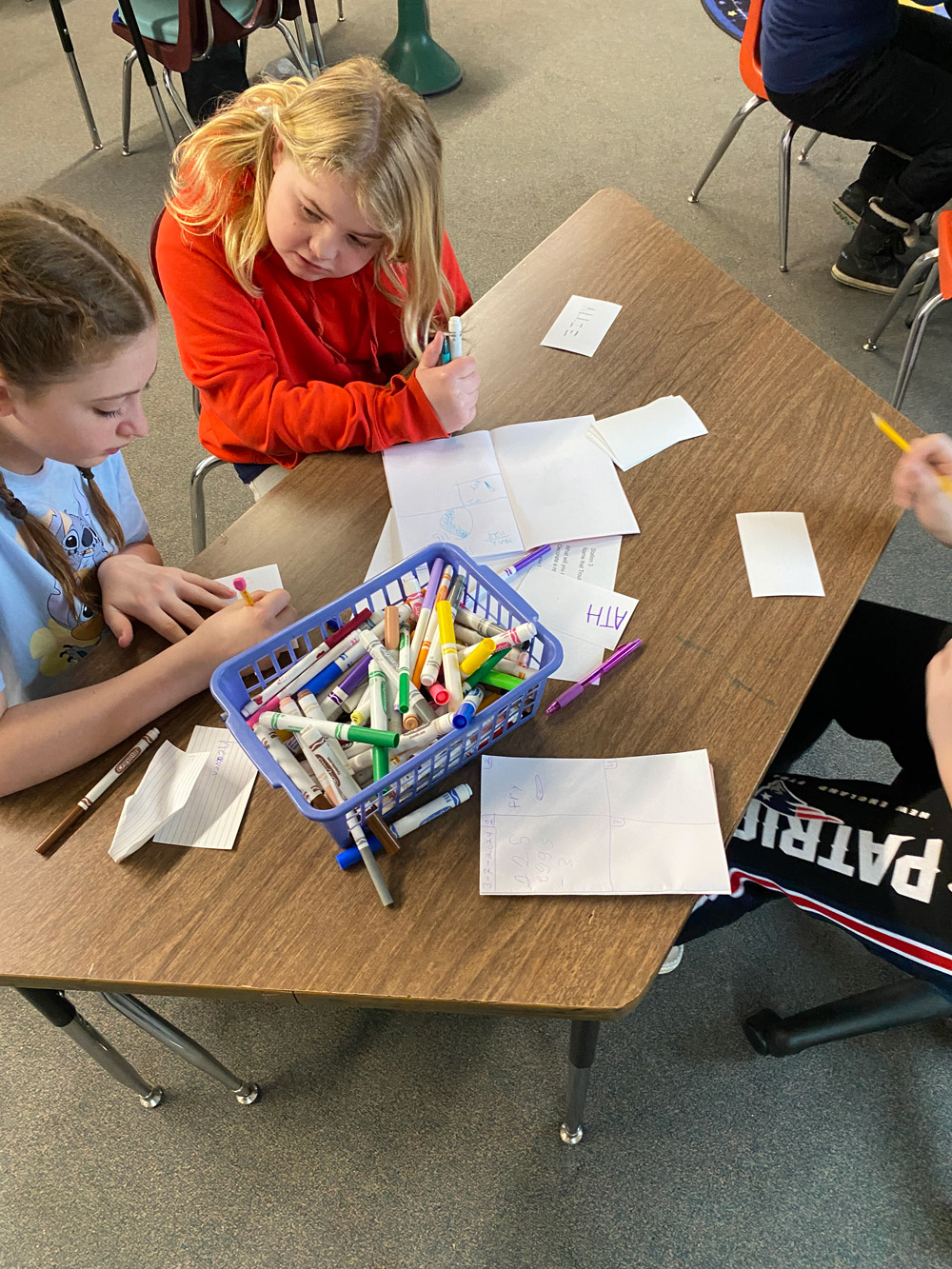
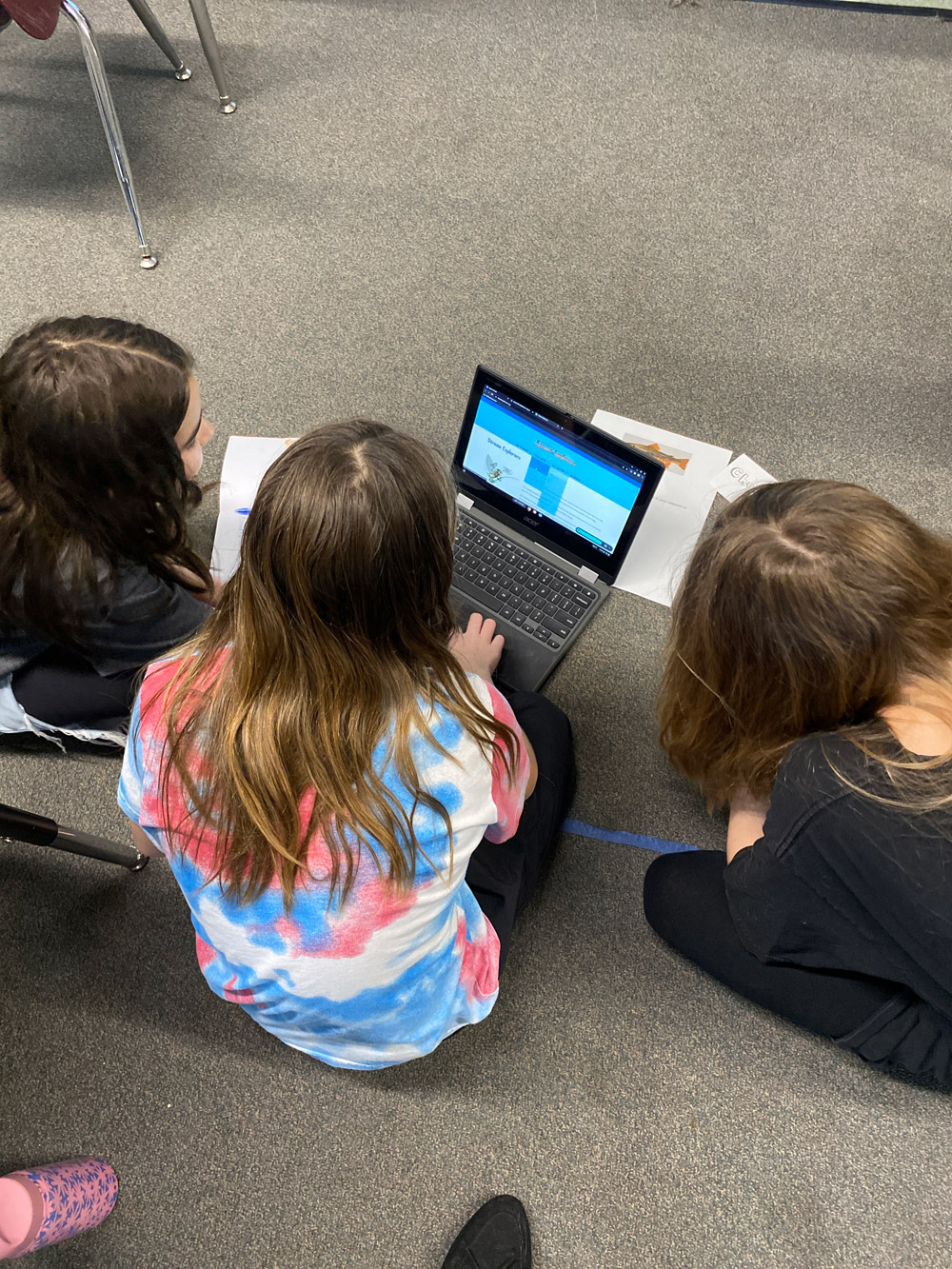
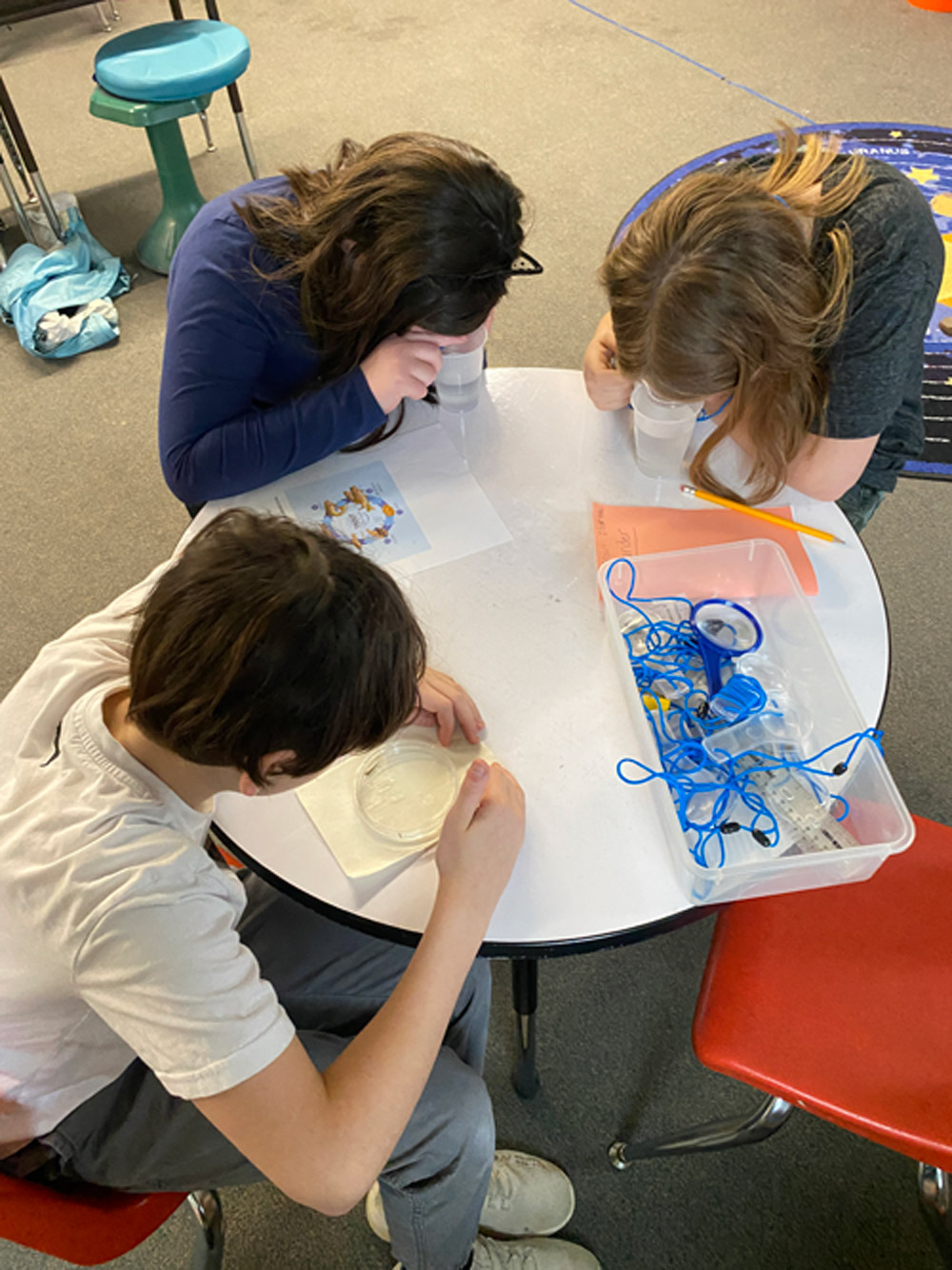
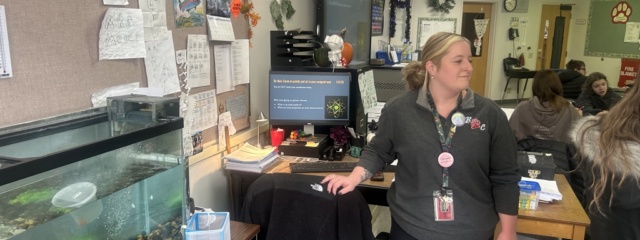
Here are photos and (below) a description of some of the activities that Danielle Fagan, of Proctor Elementary School, has had her students engaged in. (I usually discourage naming the fish because you never know which one of them will die, but apparently that works for Danielle’s class.) Here’s a link to the Stream Explorers collection Danielle referenced: https://drive.google.com/
drive/folders/ 0Bz5COnxL8bHrNDFaZ3JPdE01Znc? resourcekey=0-3n_ IWskFZChYdBoyQBJJJw&usp=drive_ link. -
Several of our teachers have availed their classes of the knowledge and skills former science teacher volunteer Bonnie Daley has about trout anatomy and dissection. I don’t know how many other trout dissections Bonnie has time for, but I hear she does a very good job.
-
Two of our SWVT schools lost almost all of their fish in the last few weeks, and this morning I went to the Eisenhower hatchery to get some replacement fry for Wallingford Elementary and the Mountain School at Winhall. In handing off the container of new fry to MS@W’s Head of School Margaret Schlacter, I learned that her whole school has enthusiastically embraced TIC. In fact, all grade levels will soon go together to the Bennington hatchery, and apparently the older grades will help hatchery staff stock two-year-old trout. What fun!
-
Most of you will remember that four years ago, on 3/13/20, Governor Scott declared a pandemic emergency and shut down the state, including all of our TIC schools. That was a shock to say the least! Fortunately, many TIC teachers found a way to carry on the program in spite of the challenge and adversity. One of those was Guy Merolle, of Castleton Village School. Eager to find a way to get his kids into nature, Guy quickly pivoted to producing a weekly Nature News video, which he also called his “phenology reports.” (I had to look up that phrase.) Check out this <https://www.vttucouncil.org/?
page_id=768> collection of Guy’s videos. It may inspire you to do something similar. Lord knows, it’s important to get kids into nature, and this s the perfect time of year to emphasize that. This is from Danielle:
Hi Joe- things are going well. Our trout have swum up and are eating successfully. My DI data is at school and I’ll try to remember to share it this week.
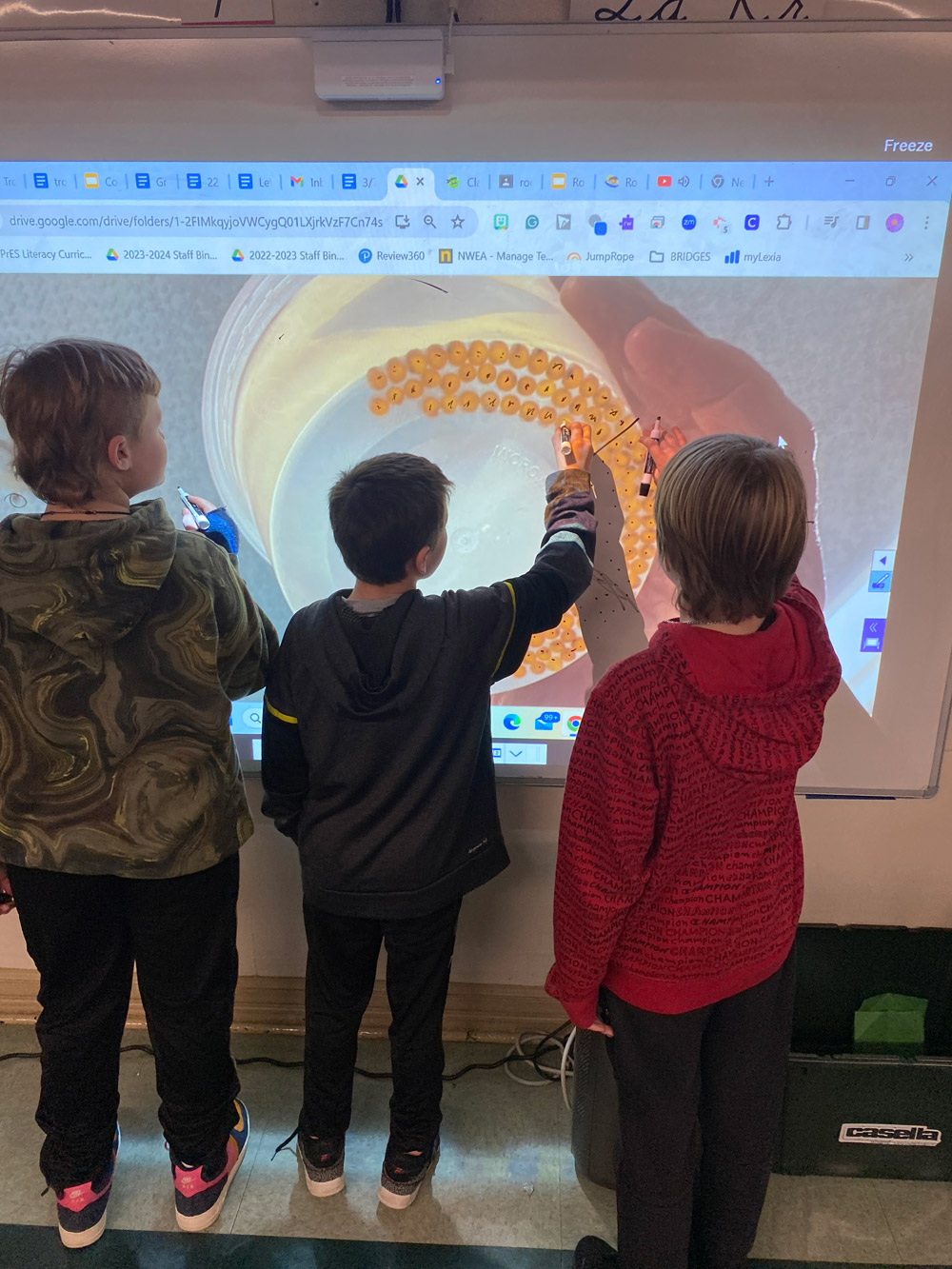
We did trout stations this past week:Station 1: Observation station with magnifying glasses. Goal was to determine the life cycle stage trout are currently in.Station 2: How many eggs. We hadn’t yet determined how many eggs we initially received, but I had a picture. Groups counted as best as they could then we found the average (105 eggs).Station 3: Name that trout! This is a favorite. ‘Choose’ a trout, name it and decorate a name card.Station 4: Fish facts. Explore Stream Explorers site. Share out a fact you learned.